
Delivery terms decide who arranges what and who pays for it
Two suppliers can quote the same stone at the same unit price and still land it at very different cost, because the delivery term decides where the supplier's responsibility stops. Documents, freight and risk all move with that single line in the quotation, so it is worth settling before the order rather than in a later exchange of emails.
1. Which delivery terms can a rhinestone order use?
EXW, FOB, CIF and DDP terms are all supported, with Shanghai, Ningbo and Shenzhen as the main loading ports. The term should be named in full together with the port or place, because a short code without a location is not a quotation that a forwarder can price or a buyer can compare.
2. Which documents should accompany a shipment?
A commercial invoice, a packing list, and either a bill of lading or an air waybill. A certificate of origin is added where the destination requires one, and test or compliance documents where they were agreed in advance. All of them must agree with each other on quantity, gross weight and product description, because a mismatch between two documents is what holds a container at the port.
3. When is payment released in a rhinestone order?
Payment is normally staged against production rather than settled as one amount. A portion releases materials and the coating run, and the balance settles before dispatch or against the shipping documents. The split, the currency and who bears bank charges belong in the quotation, and the buyer should confirm in writing which documents are released against payment.
4. How does the shipping method change the plan?
Samples and small packs travel by courier or air, where speed matters more than unit cost. Bulk orders move by sea once the volume justifies it, and sea freight is priced on volume as much as on weight. Packing density therefore affects the freight more than the stone count, which is why the carton plan is worth agreeing before the goods are packed.
5. What should be checked before the goods leave?
The carton marks and labels must match the packing list, the carton count and gross weight must match the invoice, and the product description must describe the goods in this shipment rather than the previous one. The HS classification should be agreed with the forwarder in advance, and the buyer should hold copies of every document before the vessel sails.
6. Which certificates can be requested?
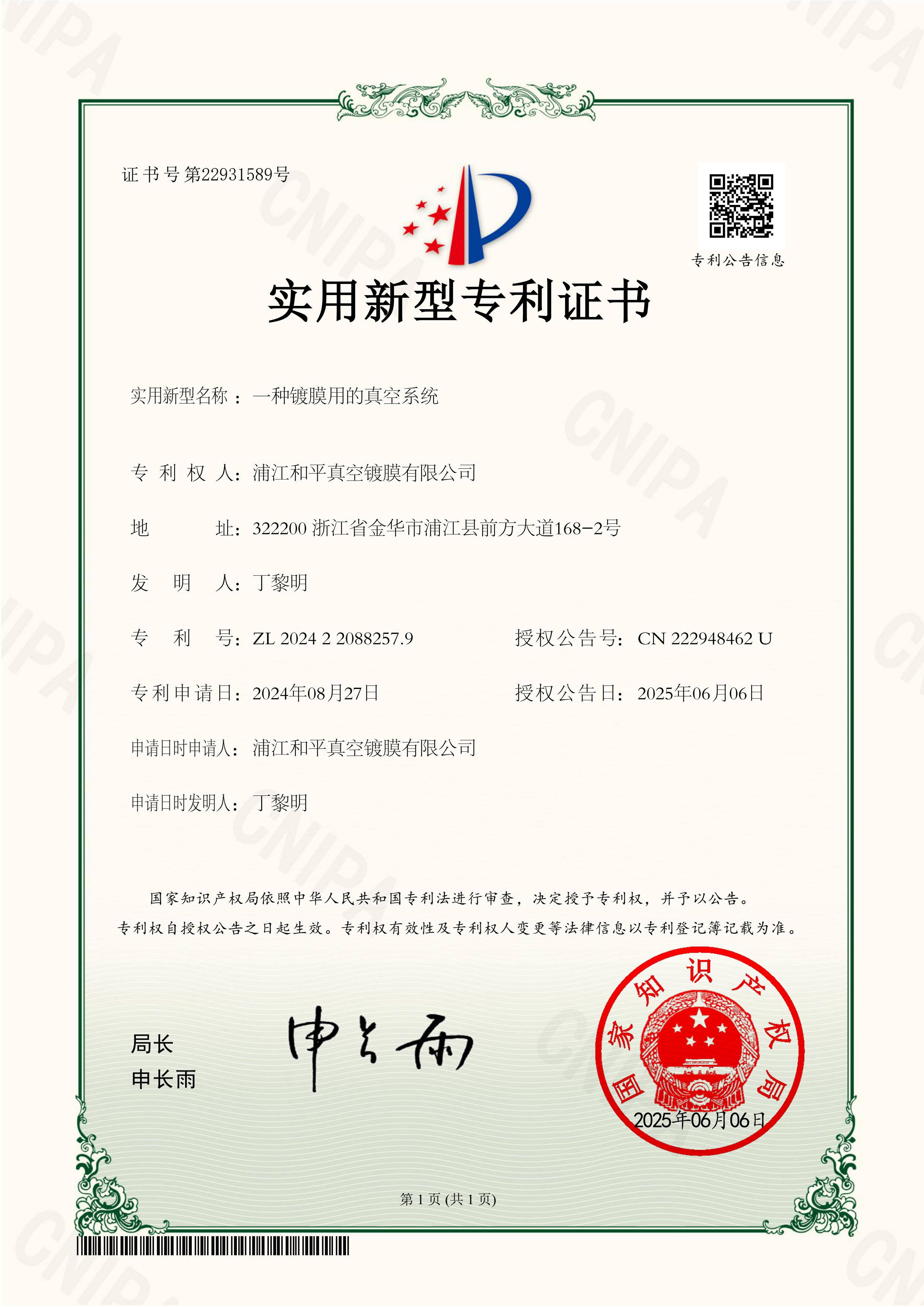
ISO, CE and RoHS documentation is offered on request, and the buyer should confirm which of those the destination market actually requires, since the applicable set differs by market and by how the stones are used. The company also holds a utility model patent, CN222948462U, on its vacuum coating system, and that certificate number can be verified independently.
What to confirm before the order is released
- Delivery term and the named port or place
- Payment stages, currency and bank charges
- Document list and who issues each one
- Label and carton marks
- Product description and HS classification
- Shipping mode and cut-off date
- Contact responsible for releasing documents
Documents, payment and freight are decided together, and a term left open in the quotation usually becomes a cost later. A written summary of the points above, agreed before production starts, keeps the shipment predictable.